

USE YOUR BODY WISELY
While modern lifestyles are increasing average life expectancy, they are also placing greater demands on our hands, arms, and shoulders. Particularly among people who work at a desk or frequently use mobile devices such as smartphones and laptops, remaining still in poor posture for long periods or performing repetitive movements places additional strain on these already active parts of the body. The tissues that make up these structures gradually wear down, causing pain in the short term and leading to conditions such as rotator cuff tears, nerve compression, and osteoarthritis over time. From the age of 60 onward, when we rely on our hands, arms, and shoulders more than ever to remain self-sufficient, the deterioration of these structures can threaten our independence in everyday life.
Gereli, A.
We need to take precautions now to prevent this. By raising our awareness, setting priorities for how we use our bodies each day, and avoiding overuse, we may be able to stay healthy and active for many years.
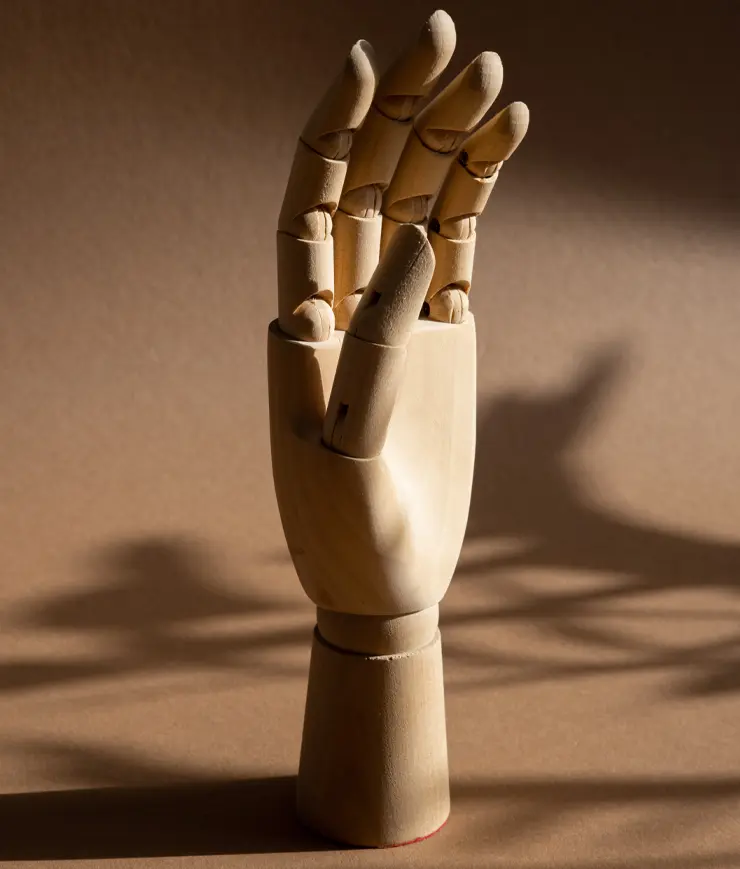
HANDS
When we say the world is at our fingertips, do we realize that we are actually carrying the world with our fingers? We use our hands for essential daily activities such as eating, personal care, and cleaning. Yet in a modern world where everything is becoming increasingly digital, from shopping and socializing to communication, education, and office work, overusing our hands is unfortunately becoming inevitable.
Repetitive movements such as constantly holding something, pressing buttons, or scrolling on a screen wear down the cartilage in our hand joints and cause the tendons responsible for movement to thicken. Over time, this can lead to serious conditions such as osteoarthritis, trigger finger, or carpal tunnel syndrome. As average life expectancy increases, these conditions are also becoming more common. In later life, they cause pain and difficulty with basic activities such as personal care and cleaning. Treatment often involves surgery.
To prevent reaching this stage, we should take the following precautions.
- Avoid unnecessary and excessive smartphone use.
- Take a five-minute break every 40 minutes when working with a keyboard and mouse.
- Avoid doing other tasks with our hands during these breaks.
- Be gentle with our hands during strenuous activities such as opening jars or wringing out cloths.
We should remember that one day we may also need our hands to get out of bed, hold on to a support in the bathroom, or use a walking stick.
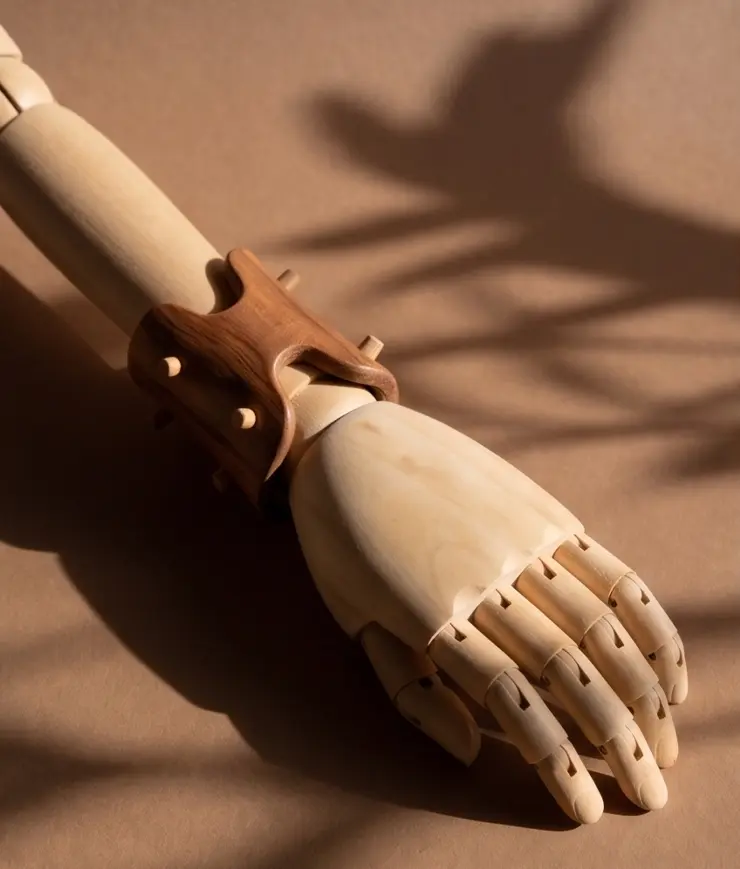
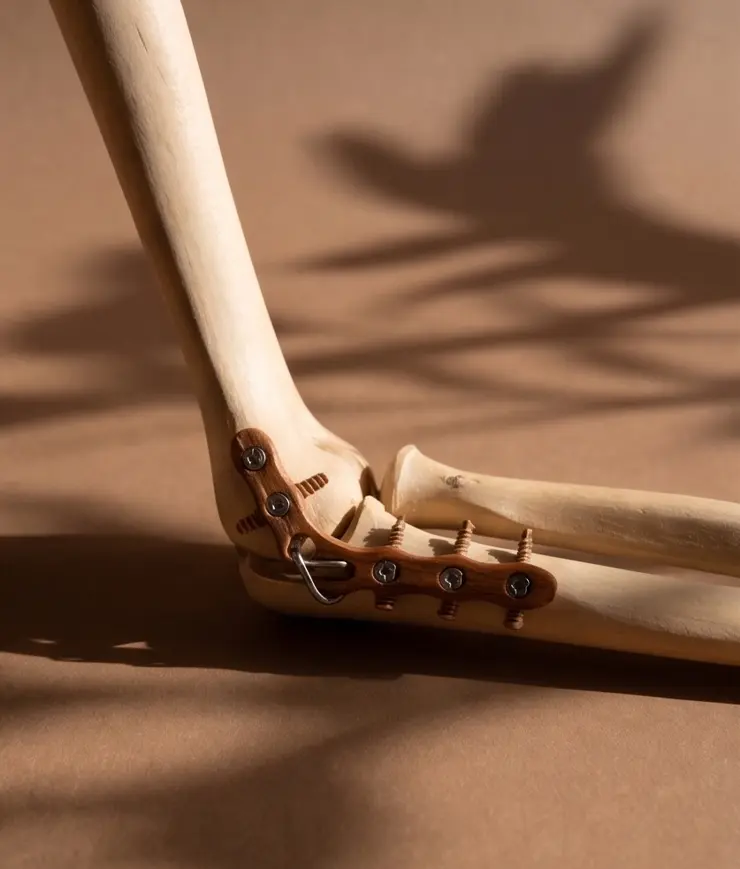
ARMS
Our arms provide the support that allows us to use our hands. We need them to transmit force to our hands and position them appropriately. The blood vessels and nerves supplying our hands also pass through our arms. As a result, our arms are similarly affected by overuse and excessive strain.
For people who work at a desk or frequently use devices such as smartphones, the arm muscles need to remain contracted to keep the hands positioned over a keyboard or mouse, or to hold a screen at eye level. When these muscles remain contracted in the same position for extended periods, they eventually become fatigued and painful.
Over time, tissues that have deteriorated and thickened can compress the nerves passing through them, causing serious problems such as numbness, loss of strength, and muscle wasting, often requiring surgery. Nerve compression, particularly in older adults, can lead to permanent loss of function and affect essential activities such as holding on to supports, pushing, and pulling.
To help prevent these problems, we should take the following precautions.
- Avoid keeping our elbows bent for long periods while watching content on a smartphone.
- Rest our arms on a soft surface when working at a desk.
- Avoid applying excessive force during activities such as opening jars or wringing out cloths, and treat our hands and arms gently.
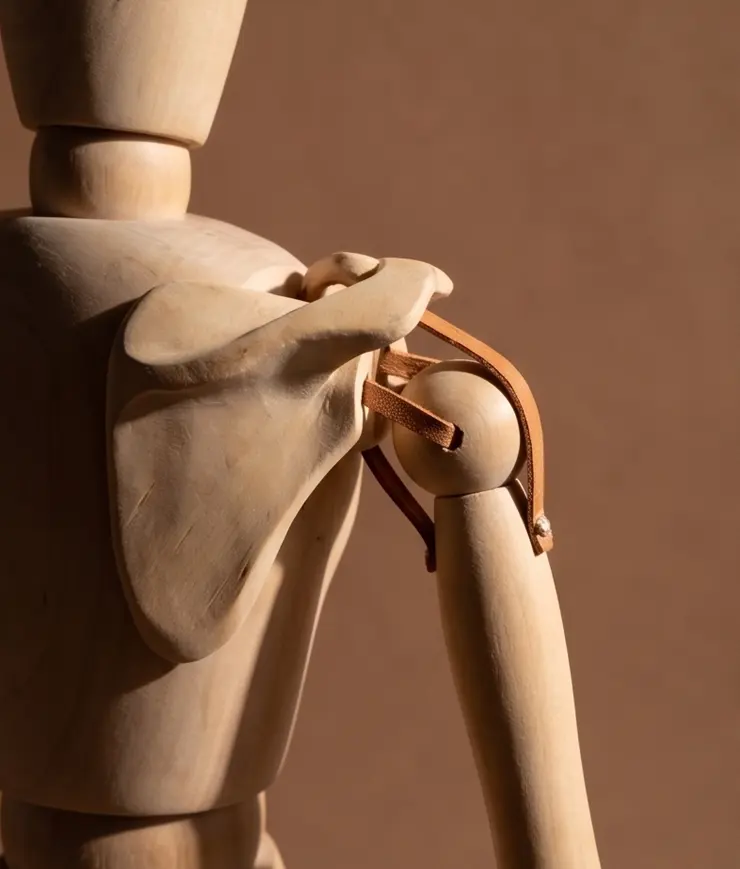
SHOULDERS
Our shoulders form the main support for our arms and hands. They can be subjected to excessive loads during pushing, pulling, and lifting movements. Keeping the shoulder muscles responsible for these movements flexible helps protect them against tears.
The frequency of rotator cuff tears naturally increases with age. These tears may be found in 30% of people over 60 and 65% of those over 70. However, rotator cuff tears are now occurring at increasingly younger ages. The most significant factor contributing to this is the reduction in physical activity associated with modern life and the resulting loss of flexibility.
Particularly among desk workers, remaining in a fixed position with the shoulders rounded forward for long hours can cause the shoulder muscles to shorten and lose flexibility. Unable to withstand the demands of everyday activities, these muscles begin to develop tears at an earlier age. Rotator cuff tears, which typically cause pain at night, often require surgical repair because they can progress over time.
To help prevent rotator cuff tears, we should take the following precautions.
- Sit upright with our shoulders back when working at a desk, and raise the screen to eye level while maintaining this posture.
- Make activities that improve shoulder flexibility, such as Pilates and postural exercises, part of our daily lives, placing greater emphasis on flexibility than on strengthening alone.
- Use both arms when lifting heavy objects, such as retrieving a bag from the back seat of a car or placing a suitcase in an aircraft’s overhead compartment, and protect our shoulders from sudden or excessive strain.