


Shoulder muscle tear: symptoms, causes, and treatment
A shoulder muscle tear can make daily life difficult by causing pain, restricted movement, and loss of strength. Small tears that initially present no symptoms can enlarge over time and impact the course of treatment.
The location, size, and depth of the tear, as well as the duration of the condition, are critical factors in the treatment plan. Therefore, it is essential to evaluate shoulder-related complaints and ensure that the planned treatment is not unnecessarily delayed for patients requiring surgical intervention.
Gereli, A.
What is a shoulder muscle tear?
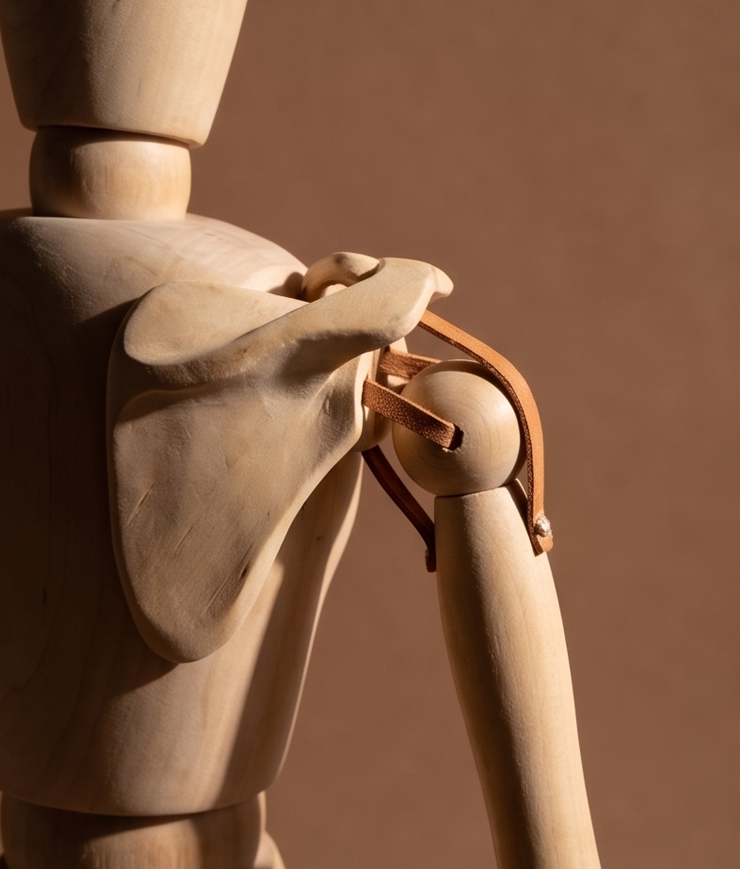
The movement and stability of the shoulder joint are largely maintained by the surrounding muscles and tendons. These structures facilitate arm movement while also serving to keep the joint in place. The shoulder’s wide range of motion can make it vulnerable to external loads.
A shoulder muscle tear typically occurs when the tendons connecting the muscles to the bone tear at the attachment site. The separation of the tendon from the bone can hinder the tissue’s ability to heal on its own.
These tears primarily affect the tendons of the rotator cuff muscles, which are located deep within the shoulder. Ruptures can also occur in the shoulder-side tendon of the biceps muscle.
What causes a shoulder muscle tear?
A shoulder muscle tear can develop over time due to repetitive strain or occur following a sudden strain.
As one ages, the tissue’s capacity for self-repair may diminish. With increased activities that place strain on the shoulder, minor tissue damage may fail to heal adequately. Over time, this process can lead to a tear at the site where the tendon attaches to the bone.
What are the symptoms of a shoulder muscle tear?
A shoulder muscle tear may not present symptoms initially. As the tear progresses, pain may occur first during movement and later even while at rest.
The primary symptoms are as follows:
Pain during movement: Pain may be felt when lifting the arm or using the shoulder.
Nighttime pain: In advanced cases, the pain can become severe enough to wake a person from sleep.
Limited range of motion: Shoulder movements and the performance of daily tasks may become difficult.
Loss of strength: Weakness may be felt when lifting the arm or carrying an object.
Does a shoulder muscle tear progress over time?
When a tendon detaches from the bone, the body’s ability to heal the tear on its own is limited. Consequently, even if treatments alleviate pain and other symptoms, the tear may continue to progress.
As the tear enlarges, it can hinder the structures that stabilize the shoulder from performing their function effectively. In advanced cases, the stability and structural integrity of the joint may be compromised. A tear that is initially small can evolve into a more extensive shoulder problem over time.
Which movements put strain on the shoulder?
Certain movements performed during daily life can place excessive strain on shoulder muscles and tendons. Particular caution should be exercised regarding the following actions:
Lifting a heavy object overhead with one hand: Lifting heavy shopping bags or placing a suitcase in an overhead airplane compartment can strain the shoulder.
Lowering a heavy object from a height: Actions such as reaching for a heavy pot on a high shelf can place excessive load on the tendons.
Reaching backward to retrieve an object: Movements like grabbing a bag from the back seat of a car can strain the shoulder by forcing it into an awkward position.
Performing sudden pulling or jerking motions: Situations such as a dog suddenly pulling on its leash can lead to injury.
Lifting heavy weights without warming up: Sudden loading and movements that involve lifting one’s body weight using the arms can place excessive strain on the shoulder.
Preparation, proper technique, and a suitable exercise program are crucial when engaging in sports. It is important to work muscle groups in a balanced manner while strengthening the shoulder muscles. An imbalance in strength between muscles can create conditions that lead to tears.
How is a shoulder muscle tear evaluated?
The location, size, and depth of the tear directly influence the treatment plan. The characteristics of the tear can be assessed via MRI. Additionally, the interior of the joint can be directly visualized using a camera during the arthroscopic procedure.
How is a shoulder muscle tear treated?
For partial-thickness tears where the tendon has not detached from the bone and retracted, non-surgical methods can be employed initially.
These methods include:
Limiting movements that strain the shoulder
Rest
Medication
Injections
Physical therapy and rehabilitation
Treatment is planned based on the patient’s symptoms and the characteristics of the tear. The treatment plan may be adjusted by evaluating the response to the applied method, or different methods may be used in combination.
When is surgery required for a shoulder muscle tear?
Surgical treatment is considered for full-thickness tears, cases where the tendon has detached from the bone and retracted, or patients who do not achieve sufficient relief through non-surgical methods.
The goal of the surgery is to reduce pain, restore shoulder mobility and strength, and prevent the tear from progressing. During the repair, the torn tendon is reattached to the bone.
This procedure can be performed using either an open or an arthroscopic method. In the arthroscopic approach, the tear is repaired using a camera and surgical instruments inserted through small incisions. The specific method used is determined based on the characteristics of the tear, tissue quality, and the patient’s needs.
What is the post-operative recovery process like?
Key factors influencing the recovery process include the size of the tear, the duration it has been present, and the condition of the tissue. For patients scheduled for surgery, it is crucial to carry out the planned treatment before the tear progresses further.
Following surgery, a shoulder-arm sling is typically required for 4–6 weeks, depending on the repair performed and the size of the tear. The primary goal during this period is to protect the healing of the repaired tendon to the bone. Decisions regarding the use of the hand and elbow, as well as the return to daily activities, are made in accordance with the surgeon’s recommendations and the specific procedure performed.
Rehabilitation proceeds in stages. At the time deemed appropriate by the surgeon, the process moves from passive movements (performed with assistance) to active movements (performed using the patient’s own muscle power). As recovery progresses, strengthening exercises are incorporated into the program.
The return to light daily activities and the restoration of the shoulder’s strength and range of motion may occur at different times. Full recovery can take several months. The timing for returning to work, sports, and activities involving heavy lifting is determined based on the patient’s recovery progress.