
FEATURED QUESTIONS
Your complaint might begin with a question.
Some symptoms may seem ordinary in daily life. However, persistent pain, numbness, loss of strength, or limited mobility could signal underlying problems.
Why do my hands go numb at night?
Hand numbness that occurs particularly at night and can wake a person from sleep may be one of the symptoms of carpal tunnel syndrome.
Why does my finger get stuck?
If the finger catches, locks, or snaps suddenly while moving or straightening, it may be due to a problem with tendon movement.
Why isn't the pain in my wrist going away?
Falls, sprains, repetitive use, or ligament and cartilage injuries can lead to persistent wrist pain.
I don't play tennis; why do I have tennis elbow?
Tennis elbow does not occur only in athletes. Repetitive hand and wrist movements can also strain the tendons around the elbow.
Can a shoulder muscle tear heal without surgery?
Treatment is determined based on the nature of the tear, the patient's age, activity level, pain, and loss of shoulder function.
Why does a shoulder that has dislocated once dislocate again?
During the initial dislocation, the structures that ensure the stable movement of the shoulder can be damaged, and this situation can make subsequent dislocations more likely.
Patient Information
Working at a desk in the same position for long hours can lead to tension, fatigue, and pain, particularly in the shoulders, arms, and hands. While certain muscles work continuously to maintain posture throughout the day, the hands and wrists perform repetitive movements during keyboard and mouse use.

Long hours spent at the computer, smartphone usage, and repetitive movements throughout the day can strain our hands, arms, and shoulders. When daily tasks such as cleaning, meal preparation, and carrying objects are added to this routine while working from home, the load on these same areas can increase.

Working at a desk for long hours, leaning forward while using a computer, and performing tasks with arms constantly extended forward can cause strain on the muscles around the shoulders. The resulting pain can negatively affect daily activities and sleep patterns.
When focused on a computer screen, you may not notice your posture or how long you have remained motionless. Slouching with rounded shoulders, keeping your wrists bent for extended periods, and leaning forward while looking at your phone can become part of your daily work habits.
Phones, tablets, and computers have become an integral part of children’s habits regarding education, communication, and entertainment. Prolonged use of these devices, the constant repetition of the same movements, and holding devices in improper positions can lead to strain in the hands, arms, and shoulders.

Working at a desk for extended periods and using mobile phones or laptops can increase the strain on our hands, arms, and shoulders. Repeatedly performing the same movements and maintaining improper postures for long durations can lead to strain in these areas, which are already heavily utilized in daily life.

Padel is a sport that is gaining increasing popularity in our country. New courts are opening nationwide every day, and participation in the sport continues to rise. It is often promoted as a fun, social, and easily accessible alternative to tennis. While this description is largely accurate, padel can place significant strain on the body, particularly the shoulder area.
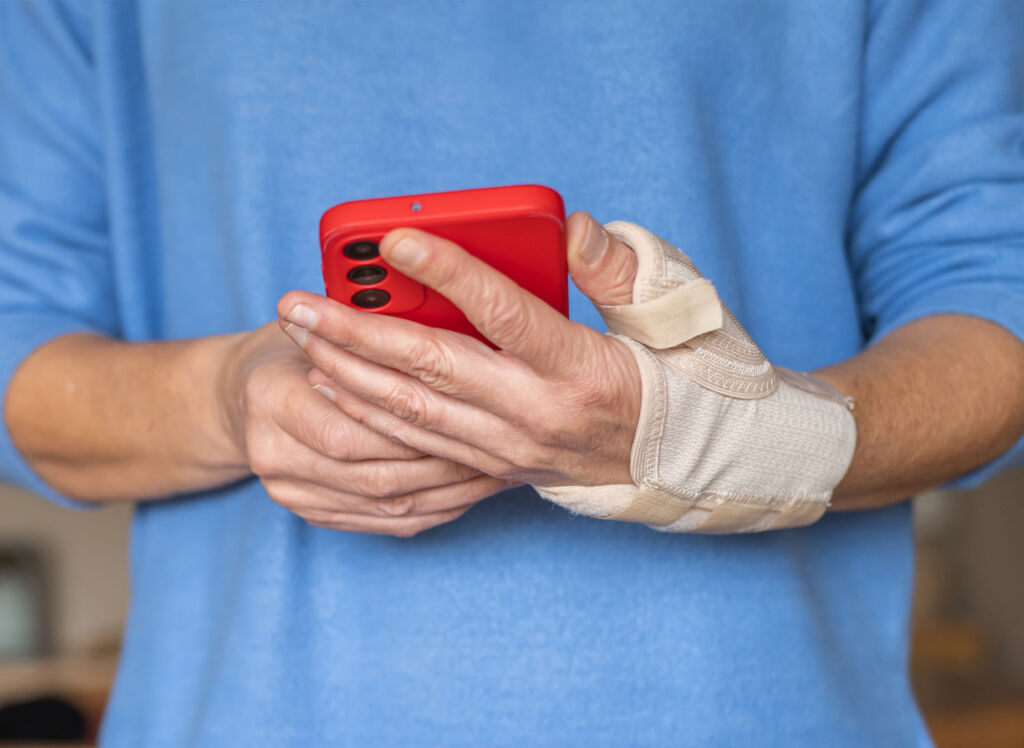
Prolonged use of phones, tablets, and computers can place additional strain on our hands and arms, which are already active during daily tasks. Constantly holding a device, repeating the same movements, and maintaining the same posture for extended periods can lead to pain, numbness, and difficulty with movement.

Long hours spent at the computer, smartphone usage, and repetitive movements throughout the day can strain our hands, arms, and shoulders. Manifesting over time as pain, numbness, limited mobility, and loss of strength, these issues can negatively impact daily life and work productivity.
A shoulder muscle tear can make daily life difficult by causing pain, restricted movement, and loss of strength. Small tears that initially present no symptoms can enlarge over time and impact the course of treatment.
While mobile phones, computers, and tablets make daily life easier, they can also increase the strain on our hands and fingers. Our fingers—already constantly in use for daily tasks such as food preparation, personal care, and cleaning—are subjected to prolonged activity when using digital devices.
OFFICE-RELATED ILLNESSES
The Way We Work Has Changed. Our Illnesses Are Changing, Too.
As the use of computers, keyboards, mice, and phones has come to dominate daily life, overuse injuries affecting the hands, wrists, elbows, and shoulders have become increasingly common.
Repetitive movements, maintaining the same posture for extended periods, and poor work habits can lead to pain, numbness, loss of strength, and restricted mobility.
Since 2019, Prof. Dr. Arel Gereli has organized an annual “Office-Related Disorders Awareness Week” to draw attention to these issues, which are particularly prevalent among white-collar workers.
The goal is not merely to provide treatment after symptoms appear, but to recognize early warning signs and raise awareness about proper work habits.