

Ways to protect hand, arm, and shoulder health among office workers
Working at a desk for extended periods and using mobile phones or laptops can increase the strain on our hands, arms, and shoulders. Repeatedly performing the same movements and maintaining improper postures for long durations can lead to strain in these areas, which are already heavily utilized in daily life.
Issues that initially manifest as pain and fatigue may eventually be accompanied by numbness, loss of strength, and restricted mobility. Maintaining the health of the hands, arms, and shoulders is crucial for continuing to perform daily activities—such as personal care, dressing, and carrying objects—independently as one ages.
Gereli, A.
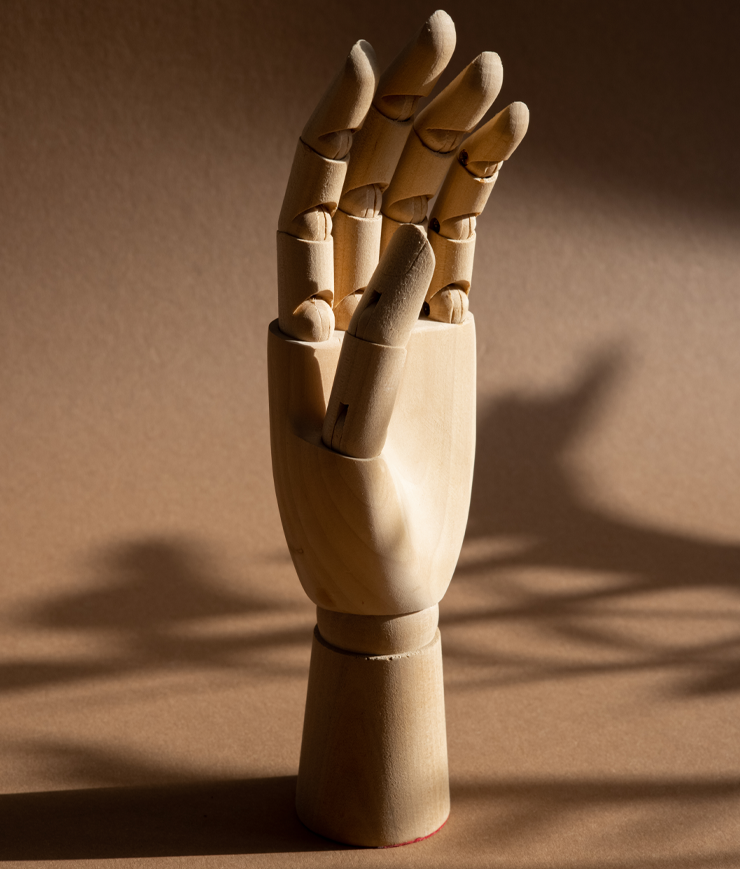
1. Hands: Watch out for repetitive movements
We carry out most of our basic daily activities—such as eating, personal care, and cleaning—using our hands. With the shift of work, shopping, communication, and education to digital platforms, we are using our hands for longer periods throughout the day.
Actions such as constantly holding a phone, pressing keys, swiping screens, and using a mouse can strain the tissues in the hands and fingers. Holding a device in a static position also requires constant muscle engagement.
Conditions affecting the hand area—such as osteoarthritis, trigger finger, and carpal tunnel syndrome—can cause pain, numbness, catching or locking sensations, and limited mobility. These symptoms can make performing daily tasks difficult.
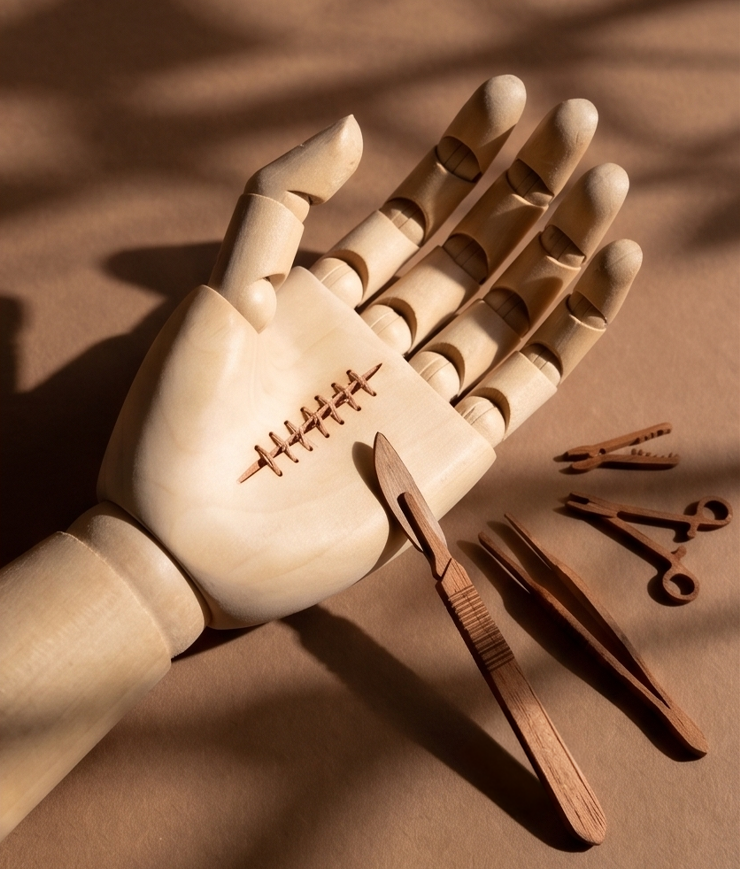
Treatment: The treatment plan is determined based on the cause of the symptoms and the stage of the condition. While non-surgical methods may be used initially, surgical treatment may be considered in advanced cases or when other methods fail to provide sufficient relief.
Tips for protecting your hands
• Reduce unnecessary phone use. In particular, avoid holding the device for long periods and constantly repeating the same finger movements.
• Take breaks from using the keyboard and mouse. Rest your hands by taking a five-minute break approximately every 40 minutes.
• Truly rest your hands during breaks. Instead of moving from the computer to your phone, relax your fingers without holding any objects.
• Reduce strain during demanding tasks. Do not overexert your hands during activities that require a strong grip or twisting motion, such as opening jars or wringing out cloths.
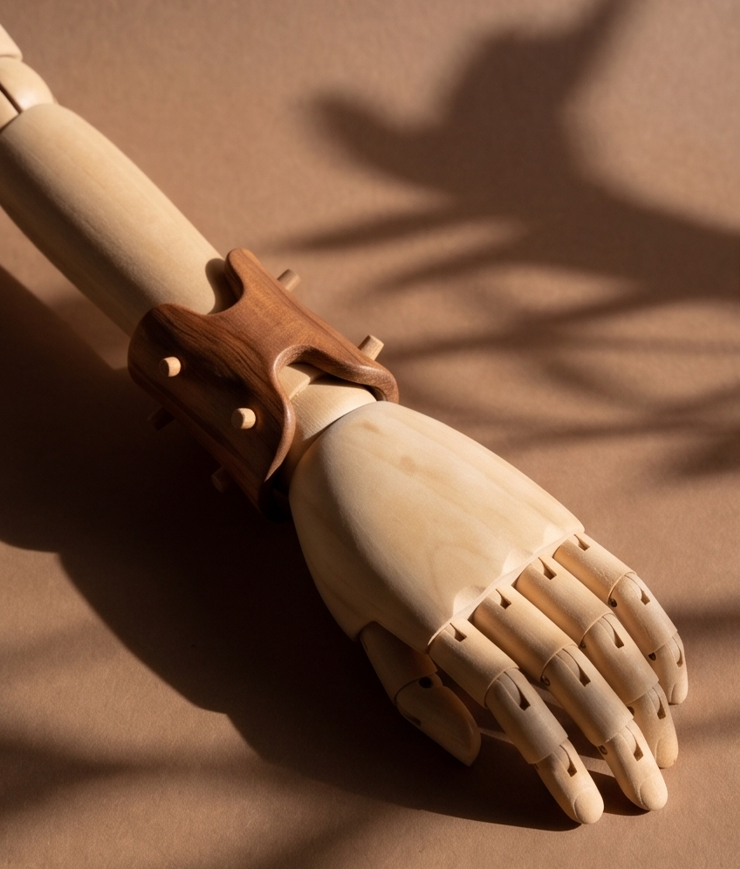
2. Arms: Avoid staying in the same position for extended periods
Our arms enable us to position our hands as desired and transmit force to them; the blood vessels and nerves supplying the hands also pass through the arm region. Consequently, placing strain on the arms for prolonged periods can affect hand function.
Keeping your hands on the keyboard and mouse while working at a desk, or holding a phone up at eye level, requires arm muscles to remain active for extended periods. Muscles held in a contracted state can become fatigued over time, leading to pain.
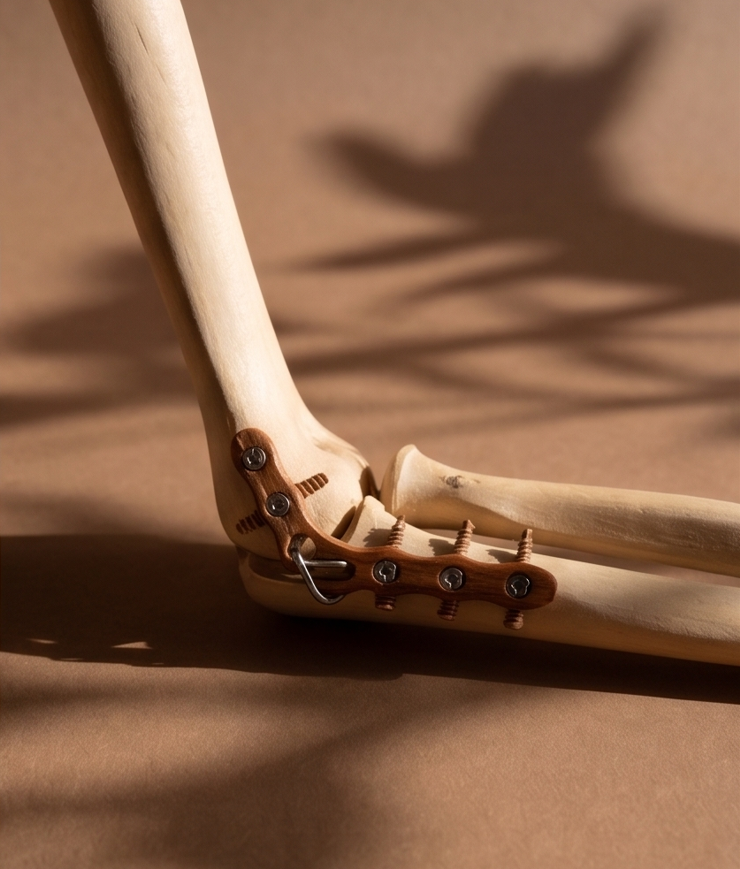
In particular, keeping the elbow bent for long periods and applying constant pressure to specific areas can predispose you to nerve compression. These issues—which may manifest as numbness, loss of strength, and, in advanced cases, muscle wasting—can make actions such as gripping, holding, pushing, and pulling difficult.
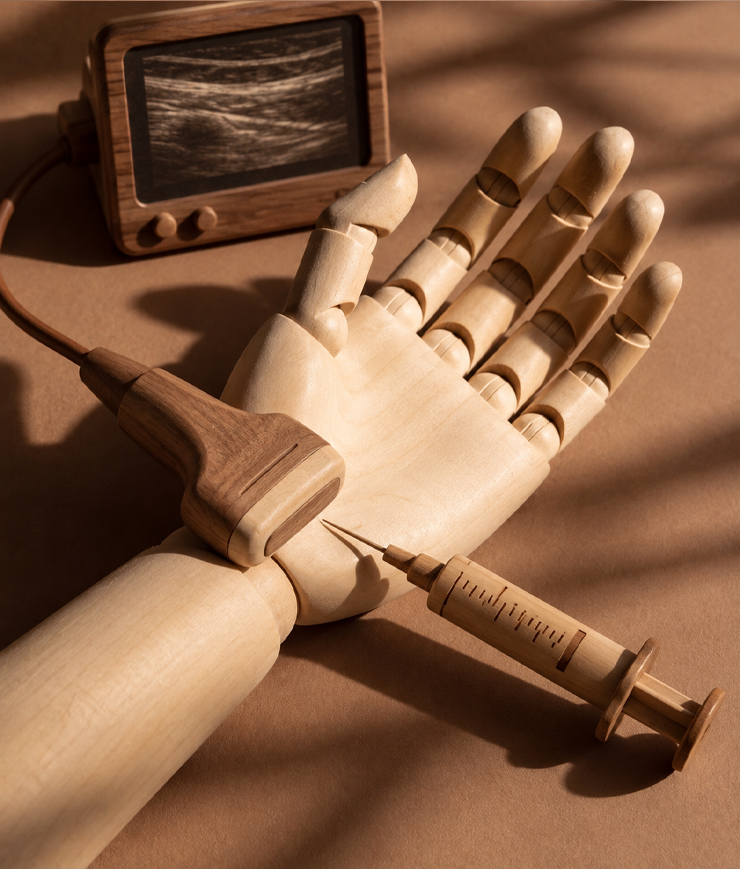
Treatment: Treatment for nerve compression is planned based on the specific nerve affected and the severity of the compression. Symptoms such as progressive loss of strength and muscle wasting require medical evaluation due to the risk of permanent loss of function.
Tips for protecting your arms
• Avoid keeping your elbows bent for extended periods. When watching content on your phone, place the device on a suitable support and change your arm position regularly.
• Support your forearms properly. Rest your arms on a comfortable surface while working at a desk. Avoid pressing your elbows against hard desk edges.
• Reduce unnecessary strain. Protect the hands and arms you use in daily activities from sudden, heavy, or repetitive strain.
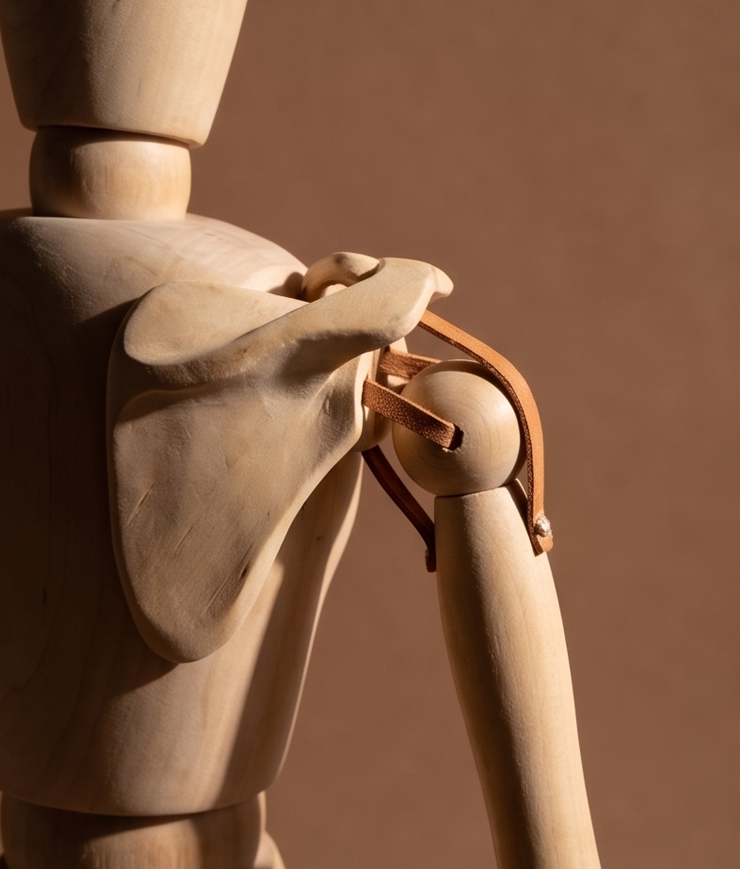
3. Shoulders: Pay attention to posture, mobility, and load
Our shoulders serve as a key support point for the movement of the hands and arms. They bear significant loads during pushing, pulling, and lifting activities. As we age, the likelihood of wear and tears in the shoulder tendons increases.
Remaining at a desk for extended periods with the shoulders slumped forward can lead to muscle tension and restricted movement in the shoulder area. Adding sudden or heavy loads to this during daily activities can exacerbate shoulder-related issues.
Shoulder muscle tears can manifest as pain when lifting the arm, loss of strength, and pain that becomes particularly pronounced at night. Since some tears can worsen over time, it is important to have persistent symptoms evaluated.
Treatment: In suitable patients, pain and mobility issues can be alleviated through non-surgical methods. Decisions regarding surgical repair are based on the characteristics of the tear, the extent of strength loss, the impact on daily life, and the response to previous treatments.
Tips for protecting your shoulders
• Adjust your work setup. Support your back and keep your shoulders relaxed and loose. Position your screen at a height that allows you to view it without leaning forward.
• Avoid remaining motionless for long periods. Change your position during work breaks and move your shoulders gently without straining them.
• Incorporate flexibility and posture work into your exercise routine. Activities such as Pilates and postural exercises can support mobility when planned correctly. Strengthening exercises also need to be structured in a balanced way that suits your needs.
• Lift heavy loads in a controlled manner. When performing tasks such as placing a suitcase in an overhead airplane compartment or carrying a heavy bag, distribute the weight between both arms as much as possible. Avoid straining movements, such as reaching backward to pick up heavy objects or making sudden pulling motions.