
SURGICAL APPROACH
Treatment is planned according to the nature of the problem.
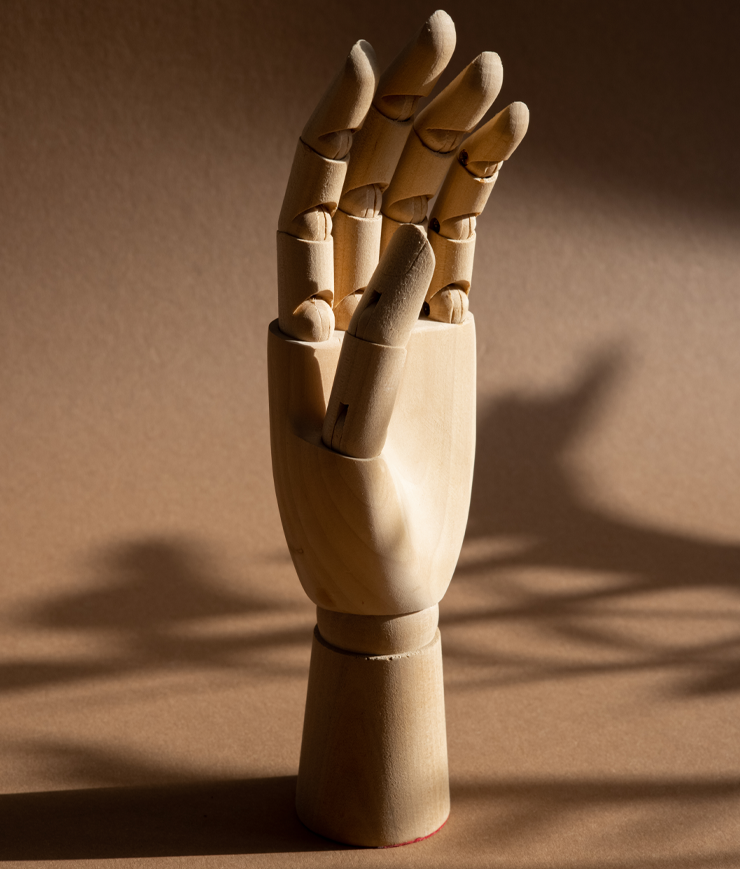
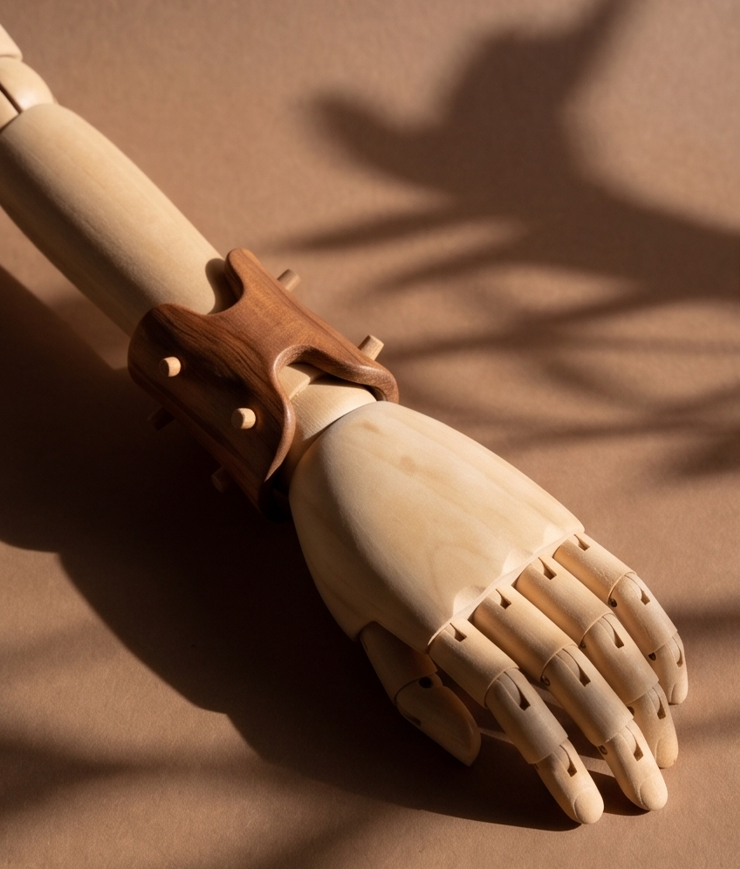
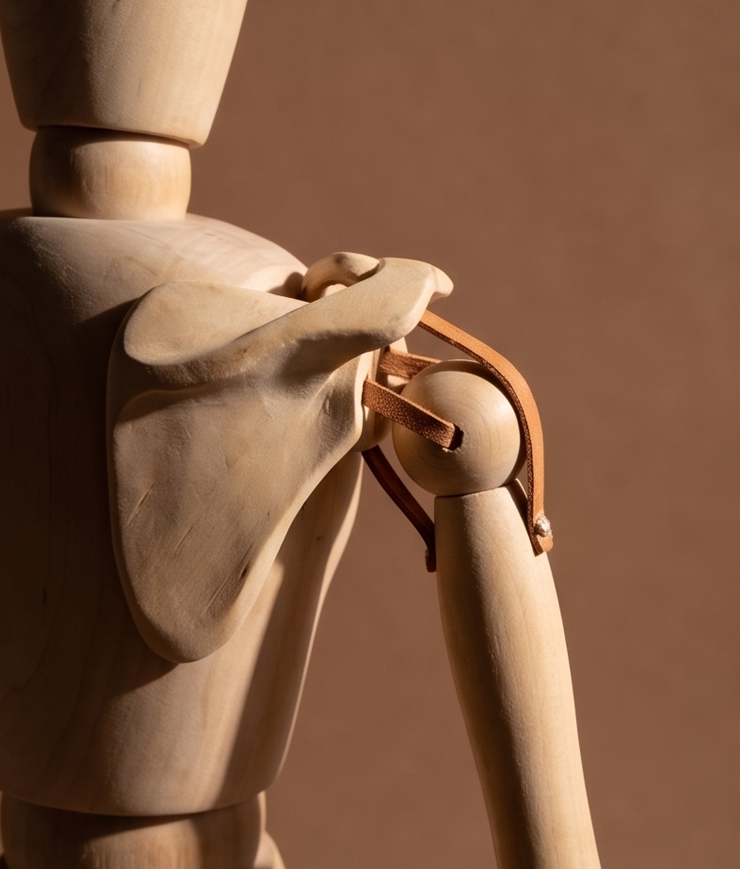
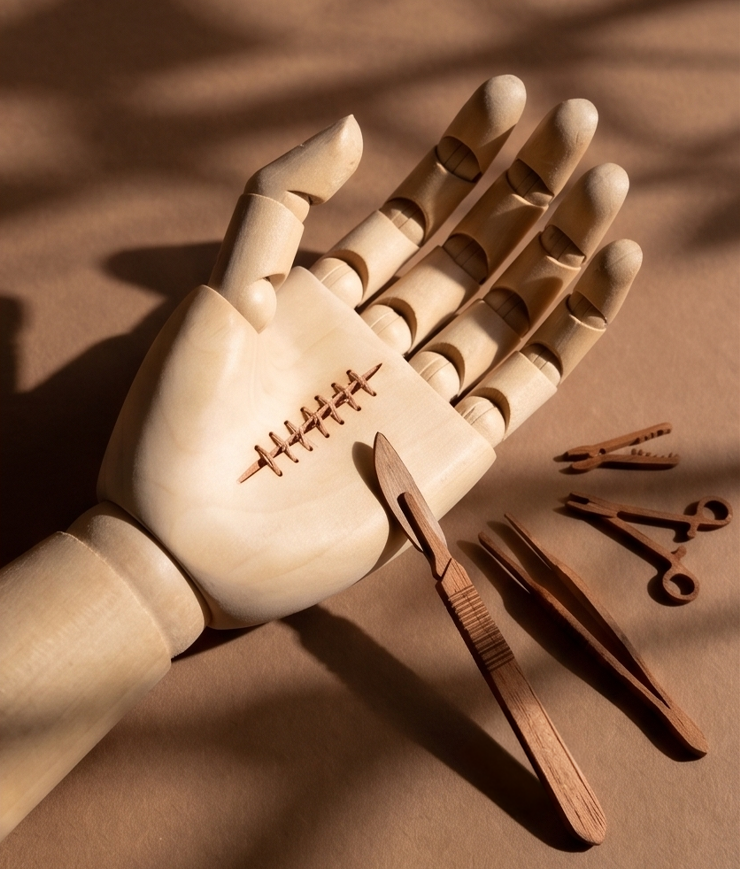
The surgical method employed for the hand, wrist, elbow, and shoulder is determined based on the type of damaged tissue, the characteristics of the injury or condition, and the patient’s needs.
The goal is not merely to treat the damaged structure but to restore movement and function to the highest possible level.
The surgical plan may involve open, arthroscopic, or reconstructive techniques, or a combination of these methods as required.
Open Surgery • Arthroscopic Surgery • Reconstructive Surgery
SURGICAL TREATMENTS
Open Surgery
In which situations is open surgery preferred?
-
In cases of fractures, tendon and ligament injuries, nerve damage, or complex problems requiring direct access, the surgical site can be opened in a controlled manner to address the damaged structure.
Arthroscopic Surgery
Can intra-articular problems be treated through small incisions?
-
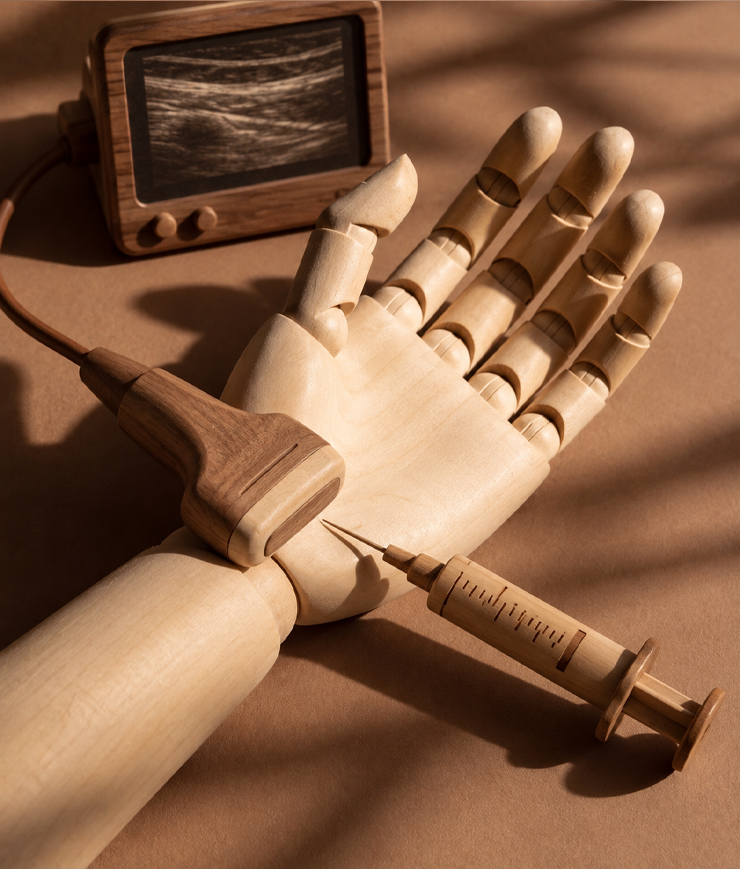
Arthroscopic procedures performed on the wrist, elbow, and shoulder joints using a camera and specialized surgical instruments enable the assessment of the joint interior and the treatment of appropriate conditions.
Reconstructive Surgery
Can a damaged structure be repurposed?
-
The aim is to restore movement and function through the reconstruction of bone, tendon, ligament, nerve, and joint structures, or via endoprosthetic procedures, following trauma, tissue loss, nerve paralysis, or complex injuries.
SURGICAL PRACTICE AREAS
01
Fracture and Dislocation Surgery
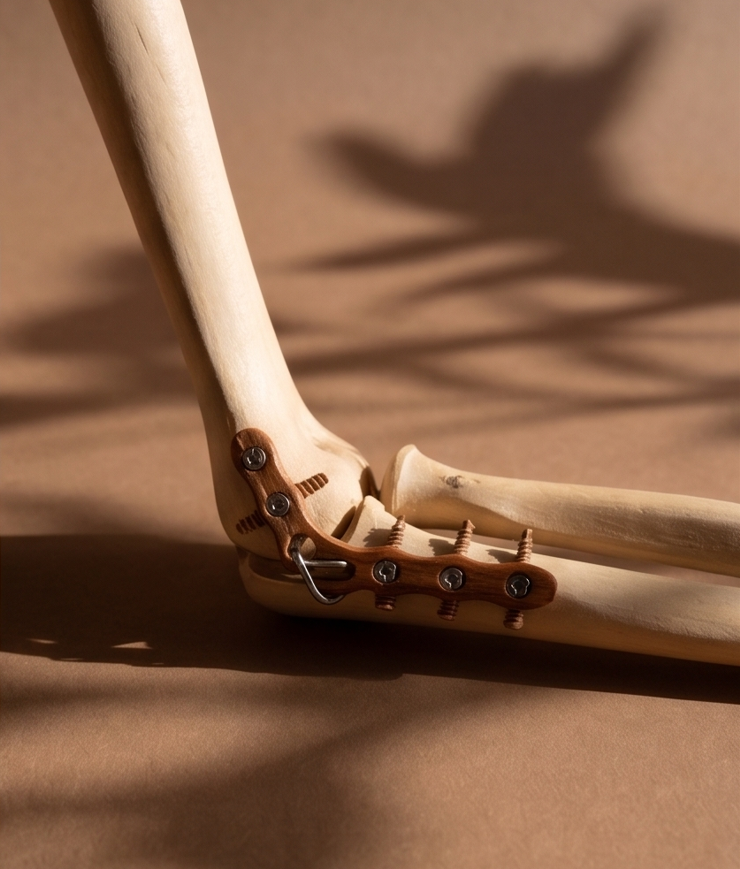
The treatment of fractures and dislocations in the hand, wrist, elbow, and shoulder regions is planned based on the nature of the injury, its relationship to the joint, and the resulting instability.
02
Muscle, Tendon, and Ligament Surgery
The aim is to repair or reconstruct muscles, tendons, and ligaments damaged as a result of trauma, sports injuries, or overuse.
03
Nerve Entrapments and Nerve Surgery
The aim is to preserve or regain sensation, movement, and muscle function by relieving pressure on the nerve or repairing the injured nerve.
04
Nerve Palsies and Tendon Transfers
Certain movements lost due to nerve damage can be partially or fully restored by repositioning a functioning tendon to take on a different task.
05
Joint Replacement Surgery
In cases of advanced joint damage and osteoarthritis, joint replacement surgery may be performed on suitable patients to reduce pain and restore mobility.
06
Tumors and Congenital Anomalies
Benign or malignant masses in bone and soft tissues, as well as congenital upper extremity differences, are evaluated by taking into account the characteristics of the condition, age, and existing function.
Surgery: For the Right Patient, at the Right Time.
Not every problem involving the hand, wrist, elbow, or shoulder requires surgery.
Treatment is planned by collectively evaluating the source of the problem, the patient’s age, occupation, activity level, and expectations, as well as the characteristics of the condition.
In cases where non-surgical methods are insufficient or the injury requires immediate surgery, the appropriate method for the patient and the specific problem is determined.