


Persistent shoulder pain: posture and nerve compression
Working at a desk for long hours, leaning forward while using a computer, and performing tasks that require constantly extending the arms forward can strain the muscles around the shoulder. The resulting pain can negatively affect daily activities and sleep patterns.
When evaluating persistent shoulder pain, it is important to consider not only the shoulder joint itself but also the movement of the shoulder blade, the coordination of surrounding muscles, and the condition of the nerves. Adjusting work habits and identifying the source of the pain help in planning the appropriate treatment.
Gereli, A.
How does the shoulder blade affect shoulder movements?
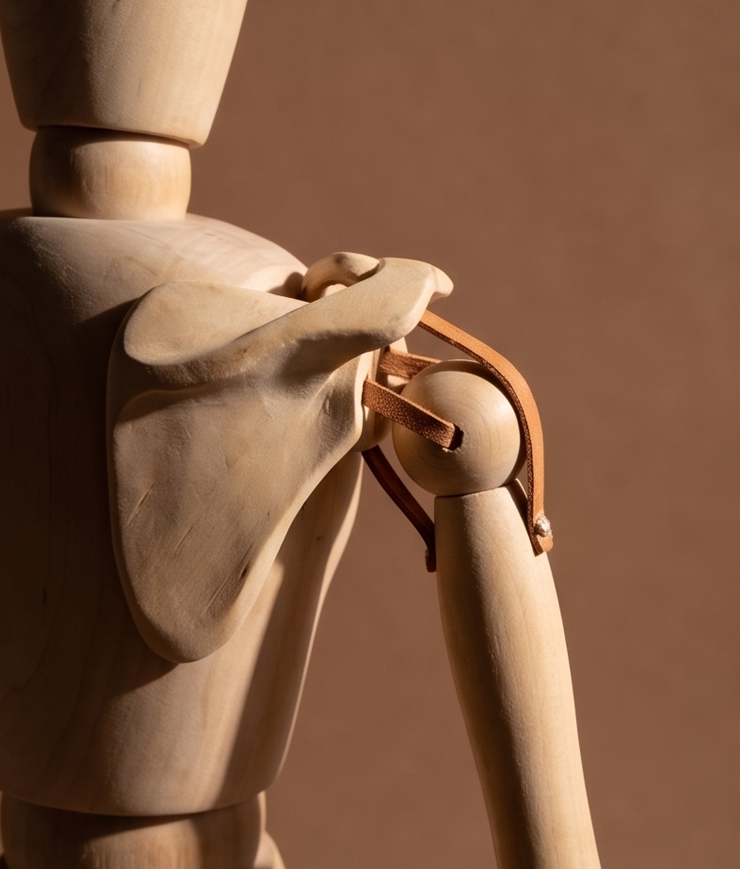
The shoulder blade works in conjunction with the shoulder joint during arm movement. The balanced and coordinated functioning of the muscles surrounding this bone enables the arm to be lifted and used with ease.
Working for extended periods while leaning forward or reaching the arms out in front can place certain muscles under constant strain. A disruption in the balance and movement coordination among these muscles can affect the position of the shoulder blade and the mechanics of the shoulder.
Consequently, symptoms such as pain around the shoulder, rapid fatigue, weakness, and restricted movement may occur. These complaints often become more pronounced, particularly during movements where the arm is raised above the head.
How do nerve issues around the shoulder manifest?
Nerve involvement in the area surrounding the shoulder and shoulder blade can lead to persistent pain in the back of the shoulder and a loss of strength in certain muscles. Nerve issues can also disrupt the coordination of the muscles responsible for moving the shoulder blade.
However, these symptoms are not exclusive to nerve compression; issues originating from tendons, muscles, or joints can also cause similar complaints. Therefore, it is necessary to evaluate the location of the pain, the movements that aggravate it, and any accompanying loss of strength in conjunction with one another.
How is the relationship between posture and shoulder pain assessed?
Your working position can affect how load is distributed around the shoulder. However, it is incorrect to attribute shoulder pain solely to posture or to claim that poor posture will inevitably lead to a muscle tear.
During the examination, the shoulder’s range of motion, muscle strength, and the position and movement patterns of the shoulder blade (scapula) are evaluated. Imaging techniques or tests assessing nerve function may be used if deemed necessary.
This assessment helps identify the source of the pain and distinguish between co-existing issues.
5 tips for maintaining shoulder health at your desk
Adjust your workspace to suit your needs. Position your screen at a height that allows you to view it without leaning forward. Place your keyboard and mouse so that you do not have to constantly reach forward with your arms.
Keep your shoulders in a relaxed position. Support your back and avoid working with your shoulders constantly hunched forward. When correcting your posture, avoid straining your muscles by holding a fixed position for too long.
Change positions and take movement breaks. Do not sit in the same position for extended periods. Stand up during work breaks, walk briefly, and move your shoulders without causing pain.
Promote balanced muscle function. Appropriate strengthening and flexibility exercises targeting the muscles around the shoulder and shoulder blade can help improve movement control. If you are experiencing pain, have a physician or physiotherapist determine your exercise program.
Reduce activities or loads that aggravate the pain. Lifting heavy objects with one arm or away from your body, reaching backward to grab a bag, and making sudden pulling movements can strain the shoulder. Perform these movements in a controlled manner and seek assistance when necessary.
Is using a sling or posture brace sufficient?
Whether a sling or posture brace is needed for shoulder pain depends on the underlying issue. These products do not replace treatments that focus on optimizing the work environment and ensuring proper muscle function.
If you are considering using a support device due to pain, it is important to determine the type of product and the duration of use based on a physician’s recommendation.
How is persistent shoulder pain treated?
Treatment is planned according to the cause of the pain. For issues related to the coordination of muscles around the shoulder blade, relief can be achieved through physical therapy, personalized exercises, and adjustments to work habits.
In some patients, injections administered around the nerve can help control pain and assist in evaluating the source of the pain. Surgical release may be considered for patients diagnosed with nerve compression whose symptoms persist despite appropriate non-surgical treatments.
If there is a concurrent tear in the shoulder tendons, its treatment is also incorporated into the overall plan. In suitable patients, the nerve procedure and tendon repair can be performed during the same surgery.
It is important not to delay medical evaluation, especially if the pain wakes you from sleep, or if there is significant loss of strength or difficulty lifting the arm.