

Just as "tennis elbow" among white-collar workers is subsiding, "Padel shoulder" is now setting in.
Padel is a sport that is gaining increasing popularity in our country. New courts are opening nationwide every day, and participation in the sport continues to rise. It is often promoted as a fun, social, and easily accessible alternative to tennis. While this description is largely accurate, padel can place significant strain on the body, particularly the shoulder area.
Shoulder pain is becoming an increasingly common complaint among both recreational and competitive padel players. Repetitive overhead shots, rapid movements, and frequent play can place a heavy load on the muscles and tendons surrounding the shoulder joint—especially among white-collar workers.
Gereli, A.
Why does padel place a load on the shoulder?
The shoulder joint provides the wide range of motion required for serves, smashes, and other overhead shots in padel. This high degree of mobility is possible because the shoulder joint is held in place largely by muscles and tendons.
Padel involves repetitive and explosive arm movements performed in confined spaces, such as near the court’s glass walls or corners. Consequently, the shoulder undergoes a large number of repetitive overhead movements even during a single match.
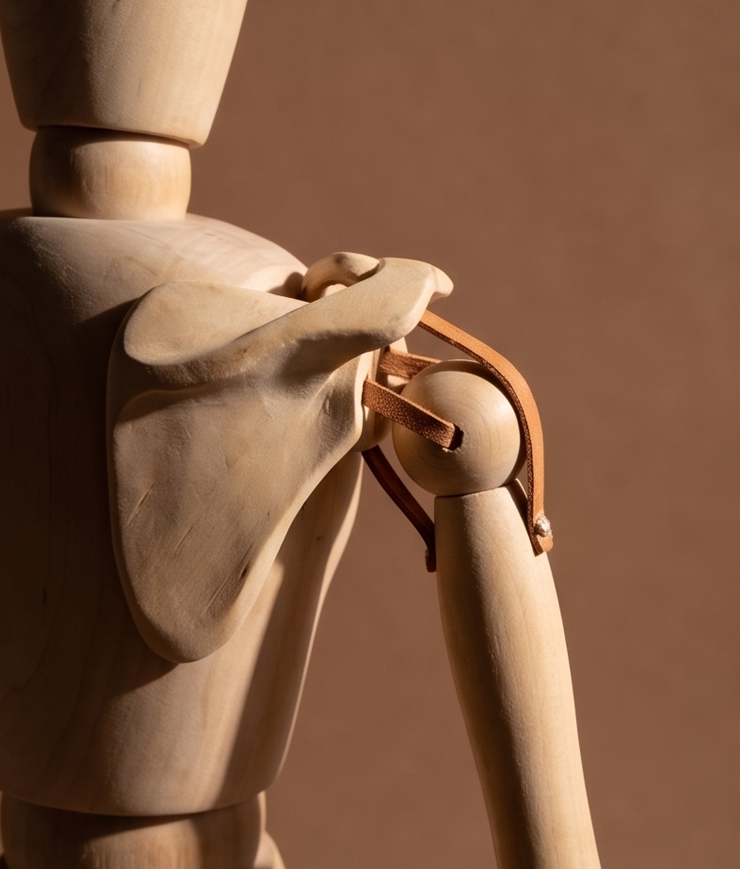
Postural issues causing the shoulders to tilt forward are very common across all age groups—particularly among heavy users of mobile phones and tablets, or white-collar workers who spend long hours at a computer. This postural misalignment causes the shoulder blade (scapula) to adhere tightly to the rib cage at the back, leading to the stiffening and shortening of surrounding muscles. As a result, the shoulder blade cannot participate adequately in shoulder movement. In sports like padel that require repetitive overhead actions, this reduced scapular mobility can lead to shoulder muscle tears. For patients with a history of shoulder dislocation, the sudden loads experienced during padel can trigger a recurrence of the dislocation.
Recent studies have highlighted the prevalence of injuries in padel. The rate of shoulder injuries ranges from 10% to 15%. While the overall injury prevalence over a one-year period ranges from 40% to 95%, the shoulder consistently ranks among the most frequently affected areas.
Most shoulder injuries in padel develop gradually over time rather than resulting from a single traumatic event. Due to the repetitive nature of the sport, shoulder muscles can become overloaded in the absence of adequate recovery, sufficient muscle strength, or proper technique. Many players initially experience mild discomfort, particularly after overhead shots or serves. However, if not managed appropriately, symptoms may worsen over time and begin to affect both athletic performance and activities of daily living.
Why are beginners at higher risk?
A significant portion of shoulder injuries in padel occurs among recreational players rather than elite athletes. One reason for this is that newcomers to the sport often abruptly increase their playing frequency without allowing sufficient time for their shoulder tissues to adapt.
It is quite common for someone with little prior racket sports experience to start playing padel several times a week within a short period. When factors such as inadequate warm-ups, limited shoulder strength, or technical errors are added to the mix, shoulder joint injuries become inevitable.
Errors in playing technique can also lead to injuries. Attempting to generate power from the shoulder during a stroke, rather than using the entire body, places excessive strain on the muscles, ligaments, and capsular tissues that stabilize and mobilize the shoulder joint.
Fatigue is another factor that increases the risk of injury. A sudden, intense playing schedule hinders the recovery of the muscles surrounding the shoulder; as these muscles tire, their ability to stabilize the joint diminishes. Consequently, movement mechanics are compromised, and the load placed on the shoulder during overhead shots increases.
How can we protect ourselves?
Many padel-related shoulder injuries can be prevented through proper preparation and recovery strategies. Here are 10 recommendations to help reduce the risk of injury:
1. Strengthening the rotator cuff and the muscles surrounding the shoulder blade (scapula)
2. Correcting scapular posture
3. Improving scapular and spinal mobility
4. Warming up properly before matches
5. Gradually increasing the frequency of play and training
6. Generating hitting power primarily from the back and core muscles
7. Seeking professional guidance to improve hitting technique
8. Choosing appropriate equipment
9. Ensuring adequate recovery time between training sessions
10. Playing against opponents of a similar skill level
Regular strength and mobility exercises can significantly improve shoulder stability and reduce the risk of overload during play.
When should you seek professional advice?
Some muscle soreness after playing is normal, especially when just starting padel or increasing the frequency of play. However, persistent pain, night pain, weakness, reduced range of motion, or pain occurring during overhead shots should not be ignored.